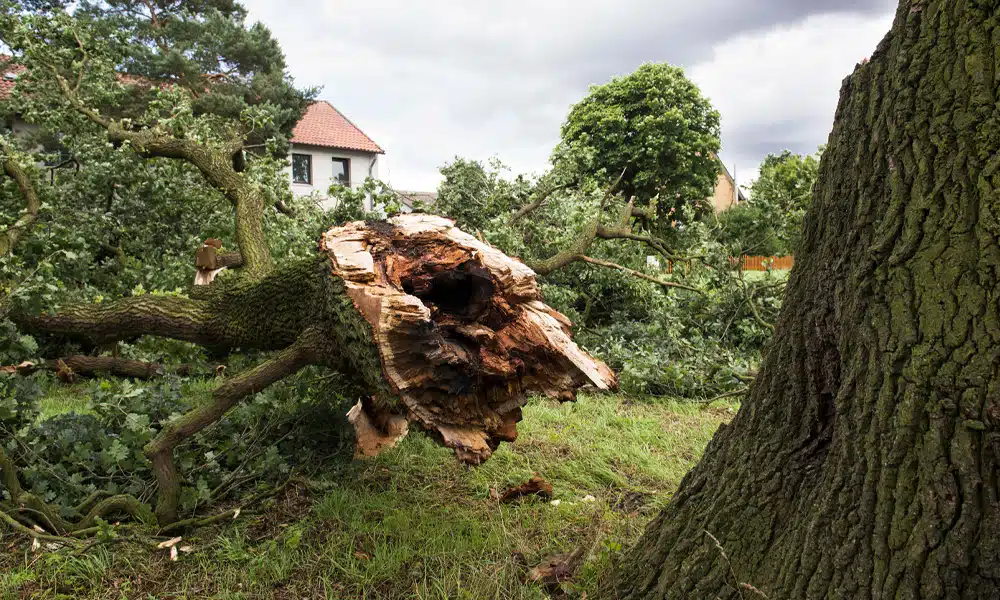
Many Florida homeowners unknowingly harm their trees by allowing or requesting "topping," which is the practice of cutting large branches back to stubs or cutting off the entire top of the tree. Topping creates open wounds that expose the tree to disease, insect infestation, and decay, ultimately shortening its lifespan and making it weaker, not stronger. Trees respond to topping by growing back thicker, spindly branches that are actually more prone to breaking in high winds, creating the opposite of the desired effect.
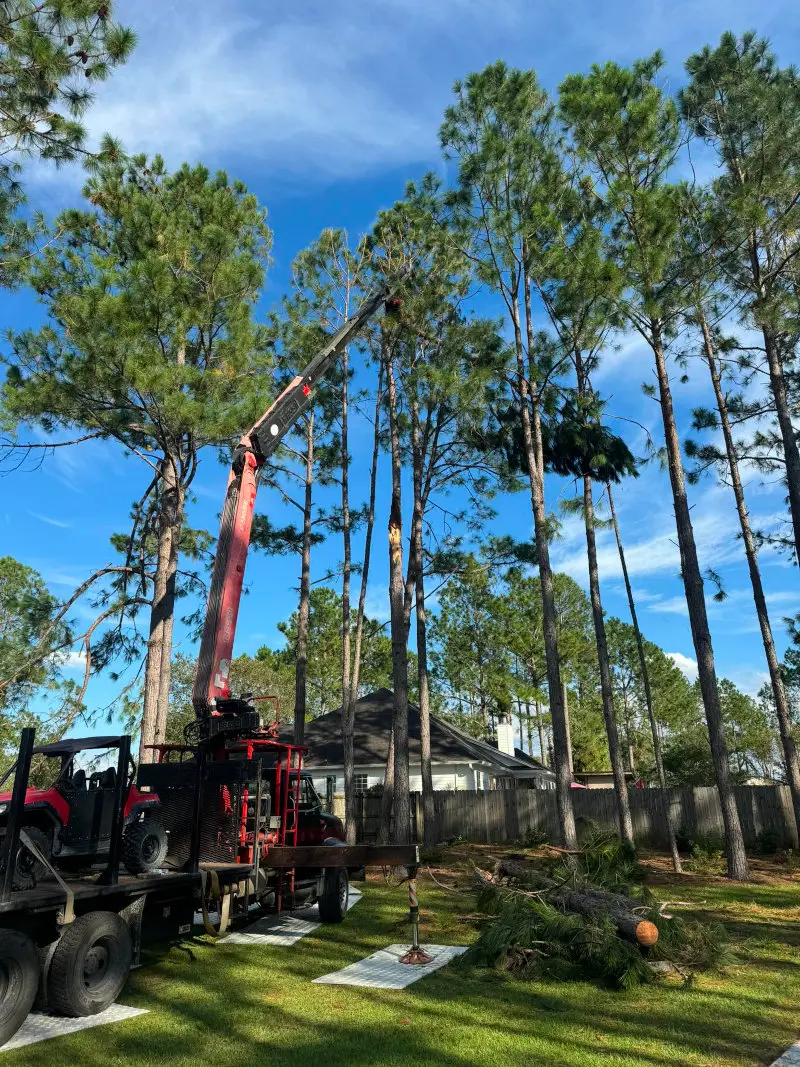
Proper pruning follows arboricultural standards and removes branches at the branch collar, the slightly swollen area where a branch meets the trunk or larger branch. This technique allows the tree to compartmentalize the wound and heal naturally without leaving the exposed stubs that make topping so damaging. Professional trimming also improves air circulation through the canopy, which is especially important in Florida's humid climate where fungal diseases thrive in dense foliage.
Regular, proper pruning keeps trees healthy, attractive, and safe while maintaining their natural shape and longevity. Florida's fast-growing trees benefit from pruning every two to three years, depending on the species and your property's specific conditions. If your trees have been topped in the past, a certified arborist can help rehabilitate them with strategic pruning to restore a more natural structure and reduce ongoing damage.
Need help? Hathcox Tree Service is here.
Call us or request a free quote — we respond fast.